Skip the Label: How Independent Artists Are Landing on Real Radio Right Now
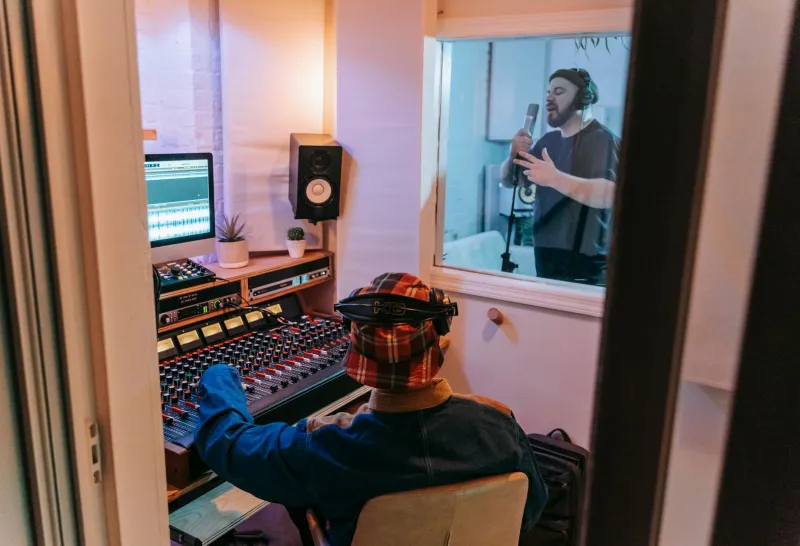
Not too long ago, getting your song on a station like Star 94 without a major label behind you was basically a fantasy. The gatekeepers were real, the barriers were tall, and the unspoken rule was simple: get signed first, then worry about radio.
That rule is crumbling. And it's crumbling fast.
Independent artists across the country are finding their way into legitimate radio rotation — not through luck or neppy connections, but through a combination of data, strategy, and relentless consistency. We've watched it happen here at Star 94, and we've talked to some of the artists and music directors who've lived it. Here's what that path actually looks like right now.
Step 1: Build Streaming Numbers That Speak for Themselves
Radio programmers are not flying blind. Before a new track gets serious consideration for rotation, the people making those decisions are looking at streaming data — monthly listeners, save rates, playlist placements, skip rates, and geographic concentration of plays.
For independent artists, the first job is making those numbers undeniable. That doesn't necessarily mean going viral. It means building a consistent, engaged listener base that shows up every time you release something.
Jordan Lee, an indie pop artist out of Nashville who landed Star 94 airplay last year without any label affiliation, describes his approach: "I stopped chasing streams and started chasing retention. I wanted people to save my songs, add them to playlists, come back. When I could show a music director that my average listener played a track four or five times, that mattered more than a big one-day spike."
Platforms like Spotify for Artists and Apple Music for Artists give independent musicians access to the same data that labels use to pitch radio. Use it. Know your numbers before anyone else asks.
Step 2: Dominate One Social Platform Before Spreading Thin
Every independent artist gets the same advice: "Be everywhere." It sounds right, but it's often wrong — at least at the beginning. Trying to maintain a presence on TikTok, Instagram, YouTube, X, and whatever else just emerged this week usually results in mediocre content across the board.
The artists landing radio attention right now tend to own one platform deeply before expanding. TikTok remains the highest-impact option for pop and contemporary music, but Instagram Reels and YouTube Shorts have produced real breakouts too. The key is consistency and authenticity — content that feels like an extension of the music, not a separate performance.
When a song starts gaining traction organically on social media — when users are creating content with it rather than just watching the artist's posts — that's signal. Radio programmers notice. Music directors at stations like Star 94 have dedicated time each week to scanning trending sounds and identifying which ones are developing legs.
"We're not waiting for a publicist to call us anymore," says one of Star 94's DJs. "If a song is everywhere on TikTok and the comments are going crazy, we already know about it."
Step 3: Get on the Right Playlists — Including the Unofficial Ones
Everyone knows about Spotify's editorial playlists. Getting on "Today's Top Hits" or "Pop Rising" is a legitimate game-changer. But those placements are competitive and often favor artists with label infrastructure behind them.
What independent artists are increasingly leveraging are independent curators — people running influential playlists with tens or hundreds of thousands of followers who are actively looking for new music. Platforms like SubmitHub and Groover connect artists directly with these curators, and a cluster of strong independent playlist placements can generate the kind of streaming velocity that catches editorial algorithms.
Beyond streaming, college radio is still a viable and underutilized launchpad. Getting rotation on college stations builds geographic data points and listener engagement that translate into a credible pitch narrative for commercial stations.
Step 4: Pitch Directly — But Pitch Smart
Here's where a lot of independent artists stumble. They send a generic email blast to every radio station they can find, attach an MP3, and wait. That approach doesn't work.
Effective radio pitching in 2024 looks more like targeted outreach. Research the station, know its format, understand its audience, and explain specifically why your song fits. Include your streaming data. Include social proof. Keep it short.
Many stations, including Star 94, have submission processes or music director contact information available through their websites. Using those channels properly — with a concise, data-supported pitch — is genuinely more effective than going through industry intermediaries who don't have a relationship with the station.
Maria Chen, an independent R&B-pop artist from Chicago, landed regional radio play by pitching directly to music directors with a one-page artist overview, her Spotify stats, and a 30-second clip of listener reactions from her social media. "I treated it like a business pitch," she says. "I showed them the audience already existed. I just needed the platform."
Step 5: Show Up Locally Before Going National
The artists making the most sustainable jumps from independent to radio-ready aren't skipping steps — they're building regional credibility first. Playing local venues, getting written up in city-specific music blogs, partnering with local brands, and engaging with community events creates a foundation of real-world momentum that complements the digital story.
When an artist can demonstrate that they've built genuine buzz in their home market, it changes the conversation with radio programmers. It signals that the fanbase is real, not manufactured, and that the artist knows how to connect with an audience beyond a phone screen.
Star 94 has added independent artists to rotation who came in with exactly this kind of story — strong local following, clean streaming data, smart social presence, and a track that genuinely fits our sound. The label wasn't part of the equation.
What Radio Stations Are Actually Looking For
At the end of the day, the calculation is pretty simple: does this song connect with our listeners? Is there evidence that an audience already exists for it? And does the artist have the momentum to sustain interest beyond one spin?
The artists answering "yes" to all three — with data to back it up — are the ones finding their way into rotation. The path isn't easy, but it's real. And it's more open than it's ever been.